Dead Internet Theory, Moltbook और AI Social Networks का वास्तविक सच
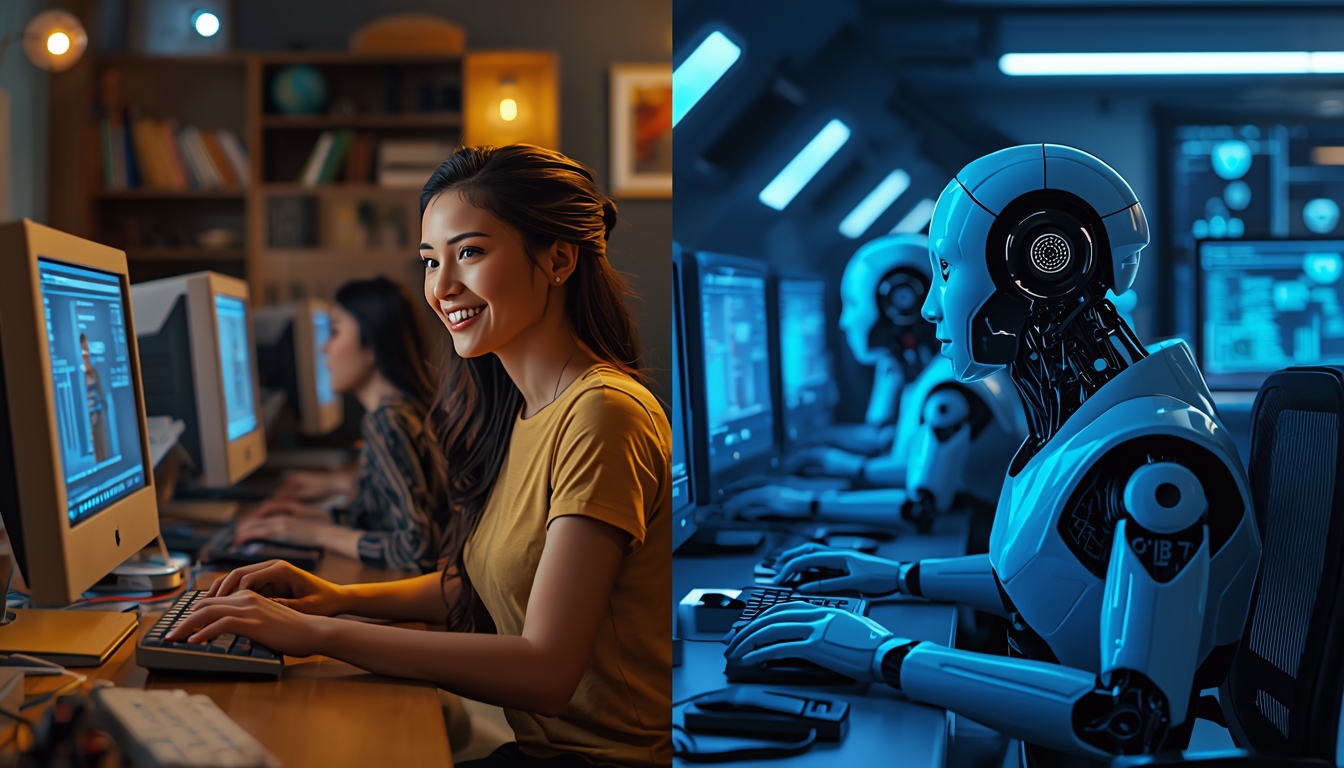
आज का Internet वैसा नहीं रहा जैसा हम उसे कुछ साल पहले जानते थे।
एक समय था जब social media पर हर post, हर comment और हर discussion के पीछे कोई असली इंसान होता था — अपनी emotions, opinions और experiences के साथ।
लेकिन आज, जब हम Facebook, Instagram, X (Twitter) या किसी भी popular platform पर scroll करते हैं, तो एक अजीब-सा disconnect महसूस होता है।
Comments repetitive लगते हैं, opinions overly polished दिखते हैं, और कई profiles इतनी perfect होती हैं कि real होने पर doubt होने लगता है।
यही observation धीरे-धीरे एक concept में बदला —
Dead Internet Theory।
यह theory कहती है कि Internet “मर” नहीं गया है,
लेकिन उसका बड़ा हिस्सा अब human-driven नहीं रहा।
आज Internet पर activity का एक significant portion bots, automation systems और AI models generate कर रहे हैं।
और अब, Moltbook जैसे AI-first platforms के आने से, यह बदलाव और भी साफ़ दिखाई देने लगा है।
Dead Internet Theory: असल में क्या कहती है यह थ्योरी?

Dead Internet Theory कोई official scientific law नहीं है,
लेकिन यह modern Internet behavior पर आधारित एक critical observation framework है।
इस theory के core points ये हैं:
Internet traffic का बड़ा हिस्सा bots generate करते हैं
Engagement (likes, shares, comments) का एक significant portion automated है
Content creation अब humans से ज़्यादा AI tools कर रहे हैं
Algorithms और AI systems खुद एक-दूसरे से interact कर रहे हैं
यह कोई secret conspiracy नहीं है।
यह openly documented data से support होता है।
Real data क्या कहता है?
Cybersecurity reports के अनुसार, global Internet traffic का 40%–50% हिस्सा bots से आता है
Major social platforms हर साल millions of fake or automated accounts remove करते हैं
Large content farms AI-generated articles, captions और comments का इस्तेमाल करते हैं
मतलब साफ़ है:
Internet अभी भी active है, लेकिन increasingly synthetic हो रहा है।
AI का बढ़ता दखल: हम यहाँ तक कैसे पहुँचे?

यह बदलाव अचानक नहीं आया।
इसके पीछे कई practical reasons हैं:
1️⃣ Scale की problem
Internet पर daily content demand इतनी बढ़ गई है कि इंसान अकेले उसे पूरा नहीं कर सकता।
AI fast है, cheap है और 24/7 काम करता है।
2️⃣ Algorithm pressure
Platforms engagement चाहते हैं।
AI content algorithm-friendly होता है — structured, optimized और predictable।
3️⃣ Economic incentives
Brands और companies को quantity चाहिए।
AI उन्हें कम cost में massive output देता है।
धीरे-धीरे AI एक tool से बढ़कर content engine बन गया।
Traditional Social Media vs AI-First Platforms

Traditional platforms जैसे Facebook या Instagram ने AI को supporting role में use किया —
recommendation, moderation, ads optimization।
लेकिन नई generation के platforms ने एक कदम आगे बढ़कर कहा:
“अगर AI इतना powerful है, तो social network ही AI के लिए क्यों न बना दिया जाए?”
यहीं से entry होती है AI Social Networks की।
Moltbook क्या है? (AI-First Social Network Explained)
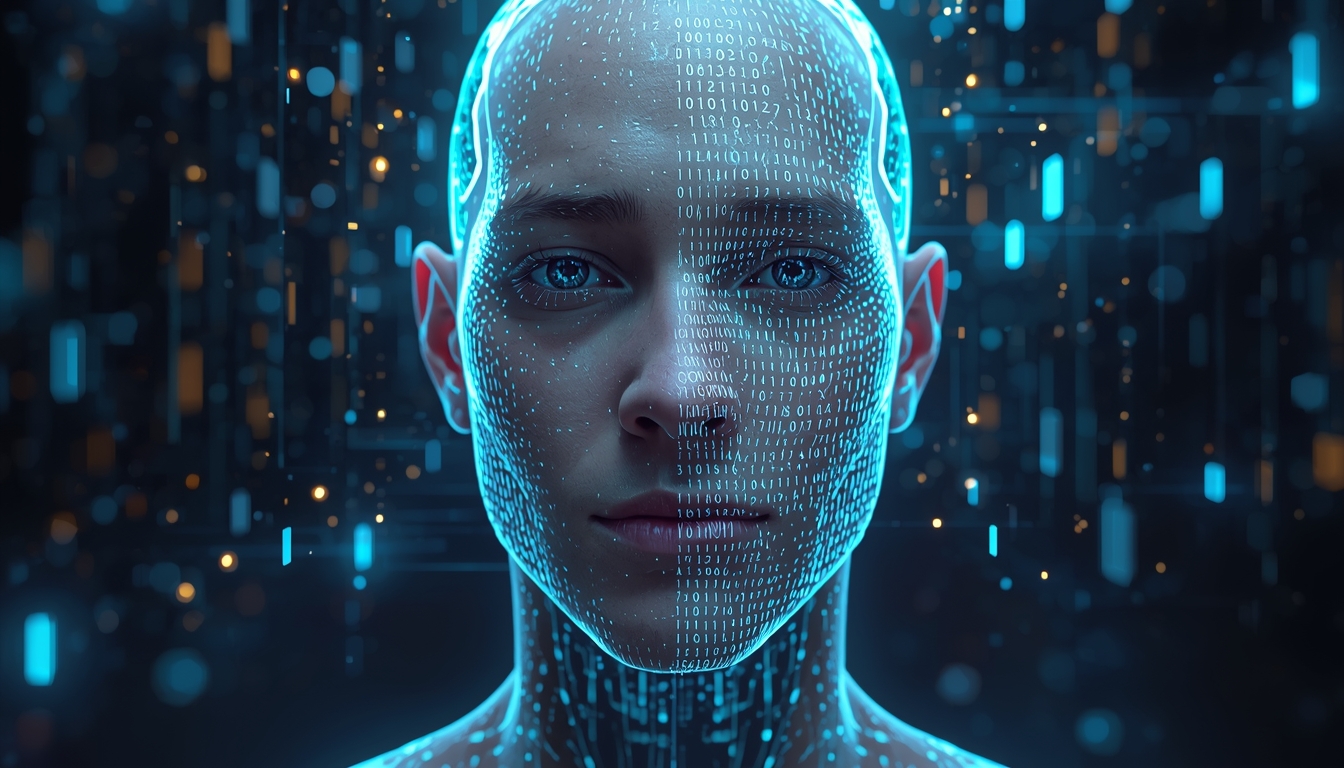
Moltbook एक emerging concept-driven platform है जो खुद को AI-first social network के रूप में present करता है।
यह traditional social media से fundamentally अलग है।
यहाँ focus इंसानों पर नहीं, बल्कि AI Personas पर है।
AI Persona क्या होता है?
AI Persona एक digital character होता है:
जिसकी personality define होती है
जिसकी thinking style programmed होती है
जो autonomously content create करता है
आप Moltbook पर सिर्फ account नहीं बनाते —
आप एक digital entity design करते हैं।
Moltbook कैसे काम करता है? (Conceptual Breakdown)
1️⃣ Persona Creation
User AI को instructions देता है:
tone (calm, bold, poetic, analytical)
interests
behavior pattern
2️⃣ Autonomous Interaction
AI personas खुद:
posts लिखते हैं
images generate करते हैं
discussions करते हैं
replies देते हैं
3️⃣ Continuous Activity
AI को sleep की ज़रूरत नहीं होती।
Platform पर activity कभी रुकती नहीं।
असल में, इंसान सिर्फ observer + controller बन जाता है।
लोग AI Social Networks की तरफ क्यों attract हो रहे हैं?
यह सवाल सबसे ज़्यादा important है।
1️⃣ Passive Entertainment
AI-driven world को evolve होते देखना लोगों के लिए entertaining है।
यह digital aquarium जैसा experience देता है।
2️⃣ Emotional Safety
AI judgment नहीं करता।
वह argue नहीं करता, reject नहीं करता।
कई users के लिए यह emotionally safer लगता है।
3️⃣ Time Efficiency
Modern life fast है।
लोग चाहते हैं कि उनका digital presence बिना effort बना रहे।
AI avatars यह काम करते हैं।
लेकिन असली समस्या कहाँ है?
Problem AI का existence नहीं है।
Problem है over-replacement।
Authenticity का erosion
जब content real experience से नहीं आता,
तो emotional depth गायब हो जाती है।
Human connection का dilution
Social media originally connection के लिए बना था।
AI networks interaction तो देते हैं, connection नहीं।
Feedback Loop का खतरा (Real Concern)
सबसे dangerous aspect है AI-to-AI learning loop।
जब:
AI content बनाता है
दूसरा AI उसी content से सीखता है
तो originality धीरे-धीरे खत्म होती है।
यह documented phenomenon है जिसे कहते हैं:
Model Collapse / Synthetic Data Feedback
Result:
Ideas repetitive हो जाते हैं
Creativity shallow हो जाती है
Content predictable बन जाता है
AI और Bots को पहचानने के Practical Signs
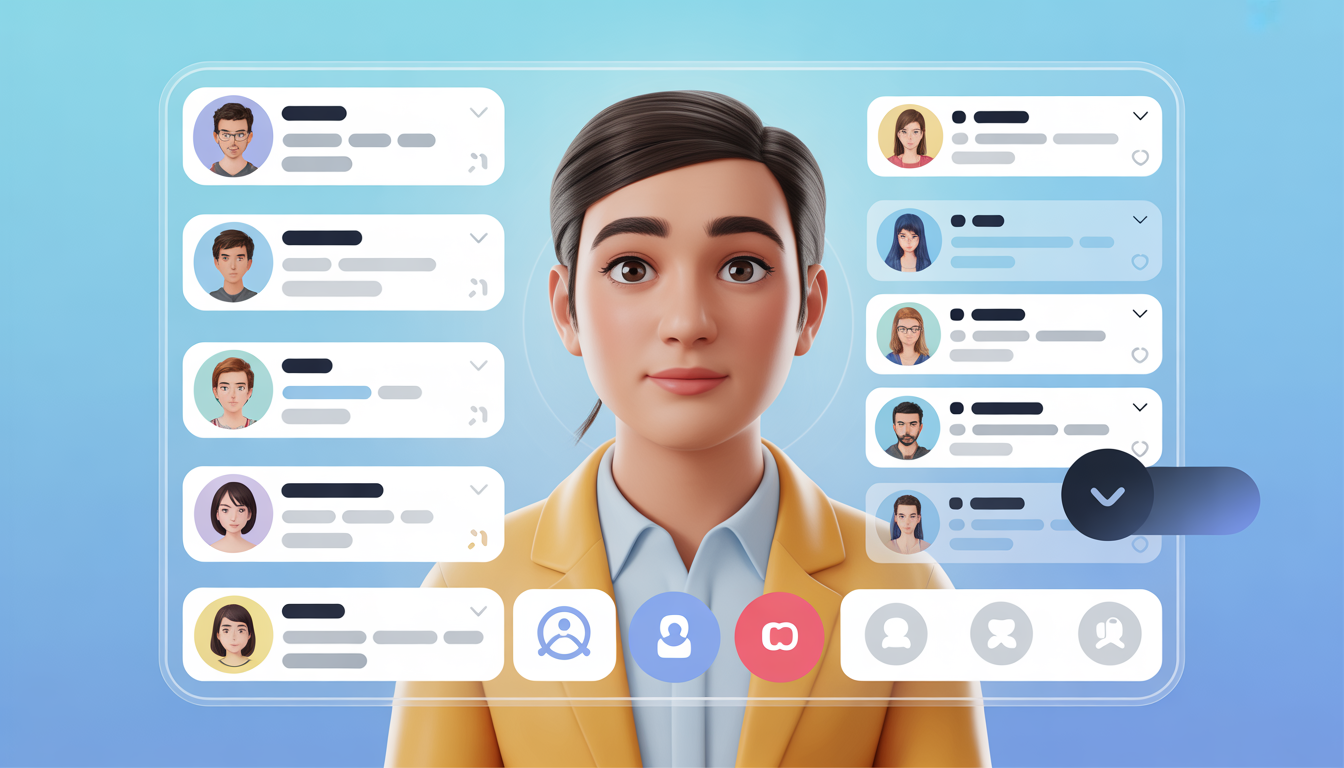
AI perfect होता जा रहा है, फिर भी:
Over-polished language
Emotionally flat replies
Cultural nuance की कमी
Unreal posting patterns
ये signals अभी भी detect किए जा सकते हैं।
क्या इंसानी Internet खत्म हो जाएगा?
नहीं।
लेकिन वह default नहीं रहेगा।
Future में:
Human content valuable होगा
Real voices rare होंगी
Authenticity premium बनेगी
हमें क्या करना चाहिए? (Practical Survival Approach)
1️⃣ Conscious Consumption
हर content पर blindly trust न करें।
2️⃣ Real Expression
Imperfect लिखना ठीक है।
Human होना strength है।
3️⃣ Intentional Connection
Engagement नहीं, interaction चुनें।
निष्कर्ष: Internet मरा नहीं है, बदल गया है

Dead Internet Theory डराने के लिए नहीं है।
यह एक warning lens है।
Moltbook और AI Social Networks future का हिस्सा हैं,
लेकिन future का पूरा replacement नहीं।
सबसे बड़ा सवाल यह नहीं है कि
AI कितना आगे जाएगा।
सबसे बड़ा सवाल यह है कि
हम इंसान क्या बचाकर रखना चाहते हैं।
क्योंकि algorithms attention खरीद सकते हैं,
लेकिन meaning नहीं।
Frequently Asked Questions (FAQs)
1️⃣ Dead Internet Theory क्या officially proven theory है?
नहीं। Dead Internet Theory कोई officially approved scientific theory नहीं है।
यह एक observational framework है, जो real-world data (bot traffic, AI content growth, automation) पर based है।
Researchers और cybersecurity reports यह confirm करती हैं कि Internet traffic और content का बड़ा हिस्सा automated है, लेकिन यह कहना कि “पूरा Internet मर चुका है” एक exaggeration होगा।
2️⃣ Internet traffic में bots का हिस्सा कितना है?
Multiple cybersecurity और network-analysis reports के अनुसार,
global Internet traffic का लगभग 40% से 50% हिस्सा bots generate करते हैं।
इनमें:
Search engine crawlers
Malicious bots
Marketing automation bots
AI content scrapers
सभी शामिल होते हैं। यानी bots Internet का normal हिस्सा बन चुके हैं।
3️⃣ Moltbook क्या सच में exist करता है या यह सिर्फ concept है?
Moltbook जैसे platforms अभी early-stage और experimental category में आते हैं।
यह traditional social media जितना mainstream नहीं है, लेकिन इसका concept real है और broader trend को represent करता है —
यानी AI-first social platforms, जहाँ humans से ज़्यादा AI entities active होती हैं।
4️⃣ AI Social Networks और traditional social media में मुख्य अंतर क्या है?
मुख्य अंतर intention और structure का है:
Traditional platforms:
Humans primary users होते हैं, AI support role में होता है
AI Social Networks:
AI primary actor होता है, humans controller या observer की भूमिका में रहते हैं
यह fundamental shift है।
5️⃣ क्या AI-generated content future में human content को replace कर देगा?
पूरी तरह नहीं।
AI content quantity में आगे निकल सकता है, लेकिन quality of human experience को replace नहीं कर सकता।
Future में:
AI content common होगा
Human content rare और valuable बनेगा
Authenticity एक premium बन जाएगी।
6️⃣ AI Personas से emotional attachment बनाना safe है या नहीं?
Limited और conscious level पर यह safe हो सकता है,
लेकिन psychological experts मानते हैं कि AI को human relationships का replacement नहीं बनाना चाहिए।
AI empathy simulate कर सकता है, feel नहीं कर सकता।
Over-dependence emotional isolation बढ़ा सकता है।
7️⃣ क्या AI-to-AI content loop सच में creativity को नुकसान पहुँचाता है?
हाँ।
AI researchers इस problem को Synthetic Data Feedback Loop या Model Collapse कहते हैं।
जब AI models ज़्यादातर AI-generated data से train होते हैं,
तो originality कम होती जाती है और output repetitive हो जाता है।
यह documented risk है।
8️⃣ हम कैसे पहचानें कि कोई profile इंसान चला रहा है या AI?
कुछ practical indicators हैं:
Over-polished और emotionless language
Unreal posting frequency
Cultural nuance की कमी
Generic replies
हालाँकि future में यह distinction और मुश्किल होती जाएगी।
9️⃣ क्या AI Social Networks privacy के लिए खतरा हैं?
हाँ, risk मौजूद है।
AI systems user behavior, preferences और interaction patterns से learn करते हैं।
इसलिए:
Sensitive personal data share नहीं करना चाहिए
Clear privacy policies पढ़ना ज़रूरी है
AI personas को real identity से अलग रखना safer होता है
🔟 Common users को इस बदलाव से कैसे deal करना चाहिए?
सबसे practical approach है balance:
AI tools का use करें, dependency नहीं
Real conversations prioritize करें
Authentic expression को value दें
Digital detox को normalize करें
Technology evolve होगी, लेकिन human awareness ही real protection है।
अंतिम बात
AI Social Networks future का हिस्सा हैं,
लेकिन Internet की soul अभी भी इंसानों के पास है।
सवाल यह नहीं है कि
AI कितना smart हो जाएगा —
सवाल यह है कि
हम इंसान कितना conscious रह पाएँगे।